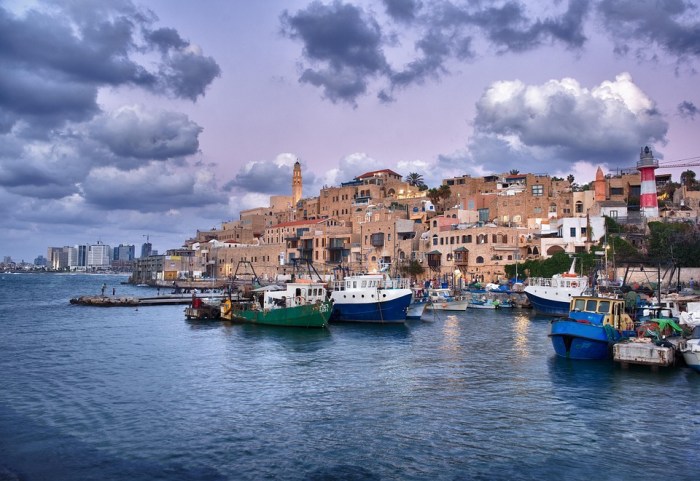
Travel abroad study tours present an incredible opportunity for students to combine education with exploration, making the learning experience both enriching and memorable. These immersive experiences allow participants to engage with different cultures, gain practical insights, and develop a global perspective that traditional classroom settings often lack.
By embarking on study tours, students can discover popular destinations while enhancing their academic knowledge in a real-world context. From visiting historical landmarks to attending local workshops, these tours offer practical applications of studies that inspire and motivate learners.
Overview of Travel Abroad Study Tours
Travel abroad study tours combine education with the excitement of travel, allowing students to explore new cultures while deepening their academic knowledge. These tours are designed to enhance traditional learning methods by providing experiential learning opportunities that cannot be replicated in a classroom setting. Students immerse themselves in different environments, fostering a global perspective that is increasingly valuable in today’s interconnected world.Participating in study tours offers numerous benefits compared to traditional study methods.
For instance, students engage directly with the subject matter in real-world contexts, making learning more relevant and impactful. Additionally, these tours often include interactions with local experts, which enriches the educational experience. Popular destinations for study tours include cities like London, Paris, Tokyo, and Sydney, where students can explore historical sites, attend workshops, and participate in cultural exchanges.
Travel Advisory Importance
Travel advisories play a crucial role in ensuring the safety and wellbeing of students planning study tours abroad. These advisories provide essential information about potential risks in various destinations, including health concerns, safety issues, and local laws. Understanding travel advisories helps students and their families make informed decisions about their travel plans.Key factors covered by travel advisories include the political climate of the destination, health alerts regarding diseases, and specific safety recommendations for travelers.
Staying updated with travel advisories is vital, and students can do so by regularly checking government websites, subscribing to travel alert services, or following reputable travel news sources.
Role of Travel Advisors
A travel advisor specializes in organizing educational travel experiences, ensuring that students have access to tailored itineraries that suit their academic goals. They handle everything from logistics to accommodations, allowing students to focus on their learning experience. An effective travel advisor will have a deep understanding of the educational landscape and strong connections with local institutions.When choosing a travel advisor for educational travel, consider their experience, qualifications, and reviews from previous clients.
Look for advisors who have specific training in educational travel, as they will be more familiar with the unique needs of students. Many travel advisors have certifications from recognized organizations in the travel industry, which can be a mark of professionalism.
Travel Accessories for Study Abroad
Selecting the right travel accessories is vital for a successful study tour. Students should thoughtfully consider the items they will need to ensure comfort and efficiency during their travels. Below is a checklist of essential travel accessories:
- Travel documents (passport, visa, ID)
- Comfortable luggage (backpack or suitcase)
- Personal items (toiletries, medications)
- Travel adapter for electronic devices
- Notebook or digital device for taking notes
- Portable charger or power bank
- Travel guidebooks or apps
A travel adapter is particularly important, as different countries use various plug types and voltage levels. Being equipped with a reliable adapter ensures students can stay connected and make the most of their educational experience.
Travel Agents and Their Functions
Travel agents offer a wide range of services related to study tours, from booking flights and accommodations to arranging guided tours and activities. They leverage their expertise to create customized itineraries that align with educational objectives, ensuring a smooth experience for students.Finding a travel agent who specializes in educational trips can be accomplished through online search engines or local listings.
It’s beneficial to ask for recommendations from schools or universities that have experience with study tours, as they often have preferred agents they work with. In terms of career opportunities, travel agents can expect varying salaries based on experience and location, with potential for growth as they build their client base.
Travel Apps and Technology
Technology plays a significant role in enhancing the study abroad experience, with numerous travel apps designed specifically for students. Some of the most useful apps include Google Maps for navigation, Duolingo for language learning, and TripIt for itinerary organization. These tools help students manage their travels efficiently, making the experience less stressful and more enjoyable.Travel apps can help students plan their study tours effectively by providing real-time information on flights, accommodations, and local attractions.
By utilizing these tools, students can maximize their learning opportunities and enjoy a well-organized travel experience.
Addressing Travel Anxiety
Travel anxiety is a common concern among students embarking on study tours, stemming from worries about unfamiliar environments and the challenges of travel logistics. Recognizing these feelings is the first step toward managing them effectively. Strategies to cope with anxiety include thorough preparation, practicing mindfulness techniques, and maintaining open communication with peers during the trip.Mental preparation is crucial for students, as feeling confident and informed can significantly reduce anxiety.
Engaging in pre-trip activities, such as researching the destination and practicing cultural etiquette, can also help ease nerves and ensure a more enjoyable experience.
Travel Blogs and Experiences
Sharing personal travel experiences through blogs can be an enriching way for students to reflect on their study tours and inspire others. Starting a travel blog focused on educational travel involves selecting a platform, creating engaging content, and promoting the blog to reach a wider audience. Reading travel blogs can provide valuable insights and tips for prospective study tour participants, helping them prepare for their journeys.
These blogs often feature personal anecdotes, practical advice, and recommendations that can enhance the pre-travel experience.
The Role of Travel Brochures
Travel brochures play a vital role in promoting study tours, offering concise information about programs, destinations, and itineraries. An effective travel brochure clearly Artikels key details, such as the educational objectives, cultural experiences, and logistical information, to attract potential participants.Creating an engaging travel brochure involves highlighting the unique aspects of the study tour, using eye-catching visuals, and incorporating testimonials from previous participants.
Examples of impactful travel brochures can be found at various educational institutions or travel agencies that specialize in study abroad programs.
Travel and Transport Considerations
During study tours, students experience various modes of transport, from buses and trains to bicycles and walking. Each mode has its advantages and disadvantages, influencing the overall travel experience. For instance, public transportation can be economical and offer a glimpse into everyday life in a foreign country, while private transport may provide greater comfort and convenience.Students should familiarize themselves with local transportation options and customs to navigate efficiently.
Researching routes in advance, downloading public transport apps, and keeping essential information like maps handy can significantly ease the process of traveling in a foreign country.
Conclusion
In summary, travel abroad study tours not only broaden academic horizons but also foster personal growth and intercultural understanding. As students navigate new environments, they build resilience and adaptability, essential skills in today’s interconnected world. Embracing these opportunities can transform educational journeys into unforgettable adventures.
Questions and Answers
What are travel abroad study tours?
Travel abroad study tours are organized trips that allow students to study and learn in different countries while experiencing local cultures.
How do I choose the right study tour for myself?
Consider your academic interests, preferred destinations, and the type of experiences you seek. Research options and consult advisors for recommendations.
What should I pack for a study abroad tour?
Essential items include travel documents, clothing suitable for the destination’s climate, electronics with adapters, and any necessary school materials.
How can I prepare for travel anxiety before a study tour?
Practice relaxation techniques, plan your itinerary, and ensure you have support from friends or family to reduce anxiety.
Are travel insurance and health precautions necessary?
Yes, travel insurance is advisable for coverage of unforeseen events, and health precautions help ensure your safety during your trip.


